How to Captivate Any Audience with the Queen of Charisma, McCall Jones

This episode is sponsored by: Connect With McCall Jones Are you tired of feeling like a different person on camera or on stage—even though you’re charismatic and confident in everyday life? Today’s guest, McCall Jones, has spent her entire life...
This episode is sponsored by:
Connect With McCall Jones
https://charismahacking.com/
Are you tired of feeling like a different person on camera or on stage—even though you’re charismatic and confident in everyday life? Today’s guest, McCall Jones, has spent her entire life on stage and in front of the camera. She’s the founder of Charisma Hacking, an innovative system that helps entrepreneurs, speakers, and coaches tap into their most authentic, magnetic presence—without faking an “on-stage persona.”
In this episode, McCall joins Sean to reveal:
- Why “being yourself” is easier said than done—and the real steps to take so authenticity shines through
- The exact process she used to help Russell Brunson (Co-Founder of ClickFunnels) refine his sales videos and boost conversions
- How to harness “Emotional Triggers” to connect with audiences and spark them to take action
- The difference between energy and intensity—and how understanding each one unlocks your best performance
- A simple “warm open” technique that transforms stiff, awkward videos into engaging messages that people want to watch
- McCall’s upcoming Charisma Hacking program, designed to help you level up your speaking, video presence, and storytelling for 2025 and beyond
Whether you’re an established speaker, an entrepreneur looking to scale, or simply someone who wants to master storytelling, you’ll find golden nuggets in every minute of McCall’s insights. She proves that you don’t have to reinvent yourself—just lean into the uniqueness you already have, but do it strategically.
Don’t miss out on learning how to speak, sell, and inspire with genuine confidence—and watch your audience engagement soar.
Key Topics:
- How McCall transitioned from child performer to helping entrepreneurs
- The secret to emotional alignment before hitting “record”
- Why “modeling” the wrong mentor can sabotage your authenticity
- Quick fixes to appear more confident—no matter your charisma style
- The “Warm Open” framework to overcome camera awkwardness
- Leveraging authenticity to differentiate your offers
- Turning your unique story into your ultimate selling advantage
If you’ve ever wanted to captivate, persuade, and deeply connect with your audience—this episode is your roadmap.
Resources & Links Mentioned:
- McCall Jones’s Website: CharismaHacking.com
- Follow McCall on Social: @mccalljonesofficial (Instagram)
- Stay tuned for her upcoming Charisma Hacking program launch!
Grab your headphones, pump up the volume, and get ready to unleash the hidden spark inside you that your audience has been waiting to see.
0:01 Hey there, everyone. Welcome back to the Thinking Big podcast. Now, I am so thrilled and honored to be kicking off season six today with all of you. This is our 165th episode, and I cannot believe it. And I just wanted to take a moment to thank each and every one of you who's been here tuning in. sharing episodes and helping us reach this incredible, incredible milestone. You know, your support has turned a simple podcast idea into something far bigger than I ever even imagined. And I am truly, truly grateful for that. When I first started this podcast, I was just hoping to bring together a community of entrepreneurs and dreamers and doers who could actually learn from each other's experience and our failures.
0:44 And six seasons and 164 episodes later, we have grown into a thriving network of people. Hungry for insights, strategies, and real talk about what it takes to succeed in business and in life. And speaking of real talk, today's guest is someone who is all about showing up as your authentic self, whether you're on camera, on stages, or behind the microphone. And I'm talking about the one and only McCall Jones, AKA the Queen of Charisma. And McCall was just announced this week as a featured speaker at Funnel Hacking Live 10 in Las Vegas in February. And you do not want to miss this event if you've been on the fence for it.
1:24 And Russell Brunson says this is the last Funnel Hacking Live. So be there this February and watch McCall live. Hey, thinking big listeners. This episode is brought to you by the secrets of success. This community is designed for individuals who seek more than just fleeting motivation and are ready to actively pursue their goals with certainty without sacrificing fulfillment. If you are not just content with liking motivational content, but are committed to becoming the change you wish to see in this world, it offers a blend of historical wisdom, practical application, And a supportive community for personal and professional growth. Just click on the link in the show notes to get more information.
2:06 McCall has been captivating audiences since she was six years old and she's going to reveal how her stage and camera secrets Can skyrocket your sales and your influence simply by being more of who you really are are. So if you've ever felt awkward on camera or wondered why your energy seemed to vanish into nowhere, the second you hit the record button, stick around. McCall's got the inside scoop on tapping into your natural charisma and magnetism, and I cannot wait for you to hear this. Let's celebrate the start of season six in style. Get ready to learn, laugh, and level up with the queen of charisma herself, McCall Jones. Thank you so much, McCall, for talking with us today.
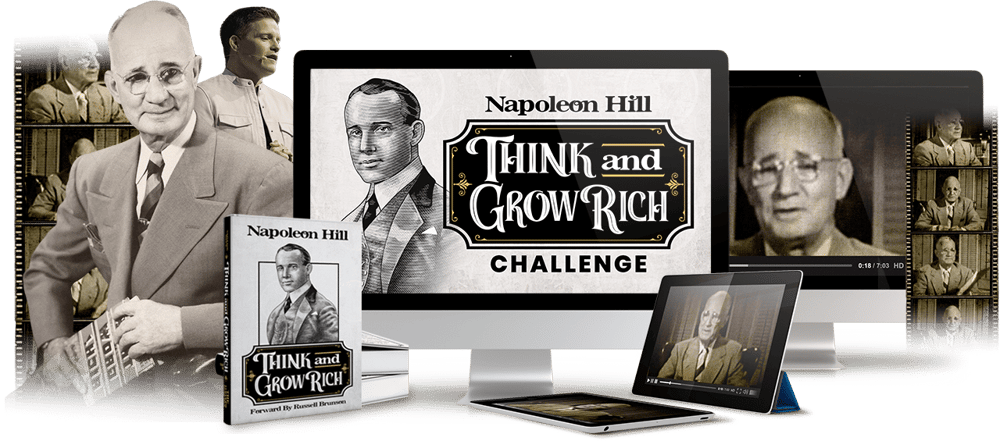
2:48 Thank you for having me. Yeah, so we met, I want to say, originally we met virtually at one of Russell Brunson's events, his Think and Grow Rich Challenge, which was, God, almost a year ago, maybe? Was that a year ago? It seems that, well, maybe not quite. Oh my gosh. Coming up on a year because, uh, yeah. So almost a year ago that we did that. Uh, you spoke at that event. I did a little speaking thing. Yeah, so did you. In the event. I can tell you this. The second you got on stage, it was like you slapped me in the face and said, wake up, Sean, pay attention. I'm here to show you and teach you stuff. And it was so different than what I'm used to. I'm used to, I'm very laid back. I'm not the energizer bunny, but the way that you showed up and the way that you presented was really different than how I'd seen before.
3:35 And I was like, wow, there's something, there's something special to this. There's something, there's something that McCall knows that I. Don't, I haven't figured that out yet. So, and by the way, part of my reason for doing this podcast is so I can get amazing people on like you and it's free coaching for me. See, this is a win, win for me. So it's so fun. Thank you for saying that. It's so funny. I, I always tell people in person, I attack them with my friendship. That's like my friendship style. I just like attack them with it on stage. Sometimes I do that too. I'm just like, I'm going to attack you with my friendship. So. for saying that. You put it a lot nicer than I did. And in October we met in person live.
4:16 We were doing, uh, you were actually speaking at an event, uh, for Russell for his online selling stuff. And you spoke there and again, you, uh, slapped me in the face and said, Hey, pay attention. I'm here. Uh, and just the way that you present yourself, the animation, the, the energy is like, there's something that again, that there's something that you do. There's something that you've learned. How to do part of it's probably just in your DNA, but it's like you've learned how to do do things that is so foreign to me on being able to connect and attract people from the stage. Thank you for saying that. I would love to share every single secret. I will hold nothing back. So anything that I know you will know by the end of today and again to part of day is coaching Sean.
5:00 on how to do things because I don't, so here's the thing, I am the type of person, and you've seen some of my videos and some of this, but I'm the type of person that I'm very dry. And so I've been accused from time and time again, one from my wife and from others that I have the male version of the resting bee face. It's like, that's so funny. Not when you're being told when you're, I'm trying to be this, not very nice. I'm trying to be this, you know, elegant and doesn't. Yeah. You got resting BP. So I'm like, well, I haven't seen that at all. I haven't seen it at all. So you're doing great.
5:40 I also will tell you, um, I love that you said that. I love that you said that I am doing things differently on stage than you do. Cause I've also seen you speak right at the thinking grow rich challenge. That is the foundation of. Our entire business, um, is the fact that I exist and that you exist, right? It's, we believe that charisma, um, actually just looks different for different people, right? When most of the time people will say like, Oh, this person is charismatic. And they have a very clear picture in their mind of what they think charisma is. Um, sometimes they think charisma is more. Of the goofiness that I have, depending on who they've seen in their lives, that they consider charismatic.
6:24 Sometimes they think more charismatic is more like a Brene Brown type or more of like a stoic where they're like, Oh, they just have so much charisma and magnetism and confidence and things like that. Uh, and what we believe is that both of those things coexist. The only thing that goes wrong is that when you are trying to use charisma, tactics that aren't made for what we call your charisma styles. So you seeing me on stage and being like, Oh my gosh, I don't, I don't know if I would choose to do that. That's a good thing because you absolutely should not try to be like me. And I should not try to be like you. Uh, cause we, We can only succeed at doing exactly what you just said, attracting and connecting with our audiences. If we are using the correct charisma styles for us.
7:07 So it's, yeah, I'm so excited to explore it with you. It's gonna be so fun. So it's not a good idea to try being you on stage next time. It's not, it's not for you, for people who are just like me. Hey, you should totally try it. But yeah, it's. It's, it's really funny because we can both imagine if you tried to do a high kick like me, people would be like, Sean, are you okay? Right? Like, if you tried to move your eyebrows as often as I do, they'd be like, something's going on with Sean. Something is wrong. Um, but it happens, it happens So often, more often than not, if you're like a part of a program or something where you have a leader, um, that you consider, you know, we'll use my word of charismatic or you consider smart or anything like that, um, even subconsciously you can try to start to model that person because you think, well, if that's success.
7:57 Like I need to look and sound like this person if I also want to be successful, so no, don't try to be me on stage. That would be crazy. But yeah, we have like all the science behind it, so it's really cool. So being someone that's like again a different type of stage presence is tip a different type of, you know, charisma can be just as effective. If it fits the person that's doing it. Yeah. So we, so there are 54 we can go through, but there are 54 different style combinations. Christmas style combinations. Uh, all of them are equally as charismatic, but they just look different when they are.
8:38 In front of people, they just look different when they're trying to connect with people. They just look different when they're fun and things like that, right? You can think about it as, um, I love this. My husband told me this the other day where some people say funny things and some people say things funny, right? Where like you with a dry sense of humor, you will say things that are funny, right? You are witty and things like that. With me, more often than not, I, or you say things that are funny. I Say things in a funny way, right? So you, yeah, I say things funny and you say funny things. There, it's just a different style of humor. And it doesn't necessarily mean that one is, is more funny, right?
9:23 It's not funnier than the other one, but they're, they're just very different. And if you tried to do like gag, slapstick humor, it also wouldn't fit, right? We actually know this really intuitively. It's just when we think Think about it in terms of stage presence or in terms of, you know, any performance medium when we get on video, when we get in front of people, uh, that part of our brain turns off of thinking like, Oh no, it's actually supposed to be different. I'm supposed to be myself. Here's how to be myself. Uh, and we think like, Oh no, no, no, no. Like being on stage looks like this or being on video looks like this. Yes. Yeah. And I know, so you have, do you, you have a background of stage, right? I mean, you've been doing it for a while. Yeah. Yeah.
10:04 So I spent my entire life either on a stage or in front of a camera. So I started my professional singing career when I was six years old. Um, I sang in front of my first crowd of 20, 000 people when I was eight. Uh, I did movies in high school. Um, I taught performers all through my twenties, uh, how to be in front of people, how to, you know, have stage presence, singing, acting lessons, things like that. Um, yeah. And then it was, it was in 2020, uh, I went to Funnel Hiking Live to support my sister in law. Who was speaking. I didn't know anything about internet marketing. I didn't even know what a funnel was. And I went because she was speaking and I happened to sit next to this woman who was talking about how she couldn't get people to click on our webinars.
10:44 She couldn't get people to click on her Facebook ads. Like people weren't staying on her webinar long enough to hear the pitch. And then she went on to talk about how she felt so awkward and she was so playful in real life, but so weird on video. And I should turn to her and I was like, I think I can help you. I think I can help you all do it for free. I've never worked with entrepreneurs any or like before. And, um. Four calls later, we 12 extra click through rate on our Facebook ads and we three extra conversion rate on our webinar. And I was like, Oh, this stage present thing that like I've been on stage. Like I could actually teach people how to do this and it would benefit their business. Like, this is crazy. So yeah. Yeah. Whole background in performing. That was my whole life, which was so fun. So do you think, so again, I, I, I look at you on stage and, and of course, when we see people on stage, it's not necessarily, it's like they're there, there are, it's almost like a performance.
11:30 I mean, it's like you, they are there. Alter ego, whatever it is, but you seem so confident on stage. And do you think that your early? Like presence on stage helped you get this gift to see to see that that other people can't see it's like I I don't recognize that stuff like you do but it's is it because you've got you are so confident on stage or you're so comfortable On stage that okay now that i'm comfortable now, I can see other things that Like when I get on stage, I'm just scared shitless. And it's like, so I don't think of anything. And it's like, I'm just, I'm just scared. So it's like, is there a point where you have to be comfortable? What do you mean? Recognize things like the things that I'm recognizing on stage. Do you mean in other people like to teach them to be on stage?
12:11 Yes. Yes. Like you, you see that on when people are talking and say, well, I don't get this or this. You can, because you have such a, I don't know, comfortable on stage and you've got such a long history on stage. Do you think that's where you get the gift of being able to say, oh, It's because you're doing this or this or you need to do this. You need to show up this way in order to connect with your audience. Yeah, 100%. I think, I think my background in performance, um, gave me a lot of different perspectives. I, I also had crazy performance anxiety growing up. Um, you know, I would have panic attacks before I went on stage sometimes and then go perform in front of, like I said, like 20, 000 people or something and learning how to deal with that was a really interesting thing.
12:54 I think. When I started teaching performers, so primarily I was working with kids and I, I would do these big concerts for him and I had to reverse engineer what I had intuitively done, um, myself, which a lot of people aren't really given that opportunity of being like, okay, wait, what was my process and then have to teach it to a seven year old, you know what I mean? Or like a high school kid. Um, It, it made me so hyper aware of the stage secrets, if we want to call them those, like that, I, that I did know. Um, so yeah, I felt like I honed my own craft for probably the first, like 22 years of my life.
13:36 And then for the next, you know, I taught voice and acting for like six years. I, I learned how to recognize, um, Even like the special sauce in somebody, I guess, because I wanted these kids to feel confident as themselves. Um, and you know, I would teach them different tactics based on what they were comfortable with and what made them feel awesome. Um, so I really spent a long time. I would say it was called voiceless and bootcamp. That's what I did with all these kids. Oh my gosh, I loved it so much. Those kids were the best. Um, yeah, honing my secrets and having to extract things from my own brain. I would say that was, that was a skill that I learned. As I taught these kids because it had to be as simple as possible when I transitioned into teaching entrepreneurs, uh, the interesting thing was, I, I now had to extract and analyze, um, Why audiences were audiences were responding to them differently because it was a different process of a entertainer connecting with an audience versus an entrepreneur, like trying to sell something or trying to connect through a story when, you know, a performer could do it with a song.
14:45 It was all built with people though. So it was, it was analyzing like how an audience is responding and their emotions, not only like what the performer looked like and if they looked awkward, actually the connection they were making with the audience member, if that makes sense. Um, yeah, it's, it's been a skill that, that I've building or that I have been building for a really long time. Now, me being able to look at somebody on stage and saying, here's exactly what you were doing wrong and here's what you need to do instead, uh, has been because I've. I've spent, you know, tens of thousands of thousands of thousands of hours doing just that. And, and then looking at the data and being like, Oh, how did audiences respond? Did they buy when you did this? Did they buy when you did this? And especially with our charisma style system, the cool thing is because there are only, there are like a finite number of ways to do something, um, that people fall into.
15:34 I now can say, I did this with, you know, this client or this person and it really worked and you are just like them in this way. So you now can use these same tactics and it will work for you as well, right? It's become less, uh, hyper, hyper individualized to the point where we're able to predict whether something will work or not before they get on stage and like have to fail their way to success. Basically, does that make sense? Oh, absolutely. And I think so that hit me. Once I think we might've actually been in, uh, in Boise when, when I came to this realization, but Russell had mentioned something that, you know, he was working with you on some of this stuff and you're like, well, for this video, the sales video, you're doing it all wrong.
16:14 You, you, you're showing up like this, but you need to be like this and just making that change actually increased his. is revenue rate for that ad a lot. And it's like, yeah, nothing changed. I, I, again, I didn't see the script, but it's like, I don't think the script changed. I don't think it's literally just how you show it. Do you think it's because he wasn't showing up authentic on the first one or is it? So that's, it's being authentic. It's. Yeah. It's, so it's a really interesting thing. The word authenticity, I think is. It's funny. We use it in our marketing because that's what people want. But it's a word that I have a really complicated relationship with.
16:55 The reason why is that any coach who talks about authenticity, uh, they never tell you how to find it, right? Like they'll just say like, we'll be true to you. And I, Russell talks about that a lot when I was like, Hey, you're out of your charisma styles on your ad. I am now mortified of like, the audacity for me to be like, how's your ad performing, man? Like, so crazy. But if I were to go to Russell, especially somebody who is so smart and so charismatic, right? If I were to go to him and be like, dude, you're not being authentic. Be more yourself. He wouldn't have even responded.
17:35 You know what I mean? Like, And it wouldn't have actually been helpful because a lot of times people will look at their videos and they'll know they'll, they will watch it. They will say, well, I know I'm not being authentic or the most myself I could be, but now what? You know what I mean? And it's like, I can try to redo it, but if I don't know what I'm fixing. Nothing, nothing will change, right? And it's, it's the reason why people, have you heard the term find your voice where everybody's like, Oh, I need to find my voice. Most people think the term or the process of finding your voice is just doing so many things where they're like, Oh, I'm going to try this. I'm going to try this. I'm going to try this. I'm going to try this. And really what they're trying to do is they're trying to say like, Oh, well, I'm trying to find authenticity, like finding a needle in a haystack, right?
18:18 I'm trying to find this. Oh, I'm going to try this hat on or this hat on. Um, the cool thing with. With Russell not being authentic, the thing that I could show him is, you know, when, when we talk about you're trying to be someone that you're not, I don't mean that as like a hypothetical or like a really ambiguous term. I literally mean you are trying to model a person who has This charisma style, when you should be modeling a person who has this charisma style. So, specifically for Russell, uh, he is what we call an excite entertainment style, which means that when he increases his energy, uh, the, the very, the way that I can explain it is, is pure enthusiasm, uh, pure geekiness and bright and it's, it's really fun and like really punchy and, um, there's like sunshine like shooting out of his eyeballs.
19:11 Uh, when he is at his very, very best. Now, a lot of times people will think of charisma as energy. When charisma is not necessarily add more energy, it's emotions, right? It's saying like the, if you just intensify your energy without knowing the type of energy you're focusing on, things can go really poorly for Russell, right? He is an excite, but he was trying to model somebody who's like, Tony Robbins, it's what we call a roar, right? Tony Robbins at his highest energy. It's not that he's more or less energetic than Russell, but it looks totally different. So Russell, who is more like bright, enthusiastic energy, was trying to add more power, vigor Volume based energy and it was making him look abrasive, which abrasive when the audience feels like feels that something abrasive is happening, they just leave, right?
20:08 They leave, or they interpret it as being salesy even though the script itself wasn't a salesy thing. It's the type of charisma or the type of energy he was putting into it that was repelling That was repelling audiences. And like I said before, like most people, when they, when they look at charisma, they say, Oh, well, if I want to be more charismatic, all I need to do is I need to add more energy. And that was actually really sabotaging Russell. It was like, No, no, no, no, don't think add more energy. And I'm sure that's not true. The take that they used, he was like tired that day or something, right? There's a lot of different things that can cause it. It's not that he was trying to be abrasive, but something changed his energy and to use, to get back to that word authentic, right?
20:51 It's, it made him inauthentic because he was using the wrong type, if that makes sense. Right. And it's not being authentic in what you believe in and what you're doing. It's literally just authentic on, on how you're Being how you're how you're up there, how you're presenting. It's not what you're saying. It's how you're saying it is not being authentic. Can I tell you something really interesting, though? Of course, with everything that we do with charisma, there's actually two sides of it, right? The emotions. So I say all the time. Emotional triggers cause physical responses, emotions. So your emotions control your charisma and your charisma controls other people's emotions, right? It's all based on emotion more often than not.
21:32 If you look inauthentic, right, if your charisma looks off, a lot of times it's because what you're saying is causing you to present it inauthentically. It's like, if you're selling an offer that you know doesn't work, like, I can show you the choreography that you're supposed to change of like, oh, your face needs to be like this. You know, your voice needs to be like this. But the crazy thing is when we change what they say, if I'm like, no, no, no. We got to change this part of your offer. We're going to change this part of what you're doing. A lot of times the choreography will fix itself because we change what's inside. Like it's, it's kind of this, um, it's like this two step process of like half of it is emotions. If you are feeling off, you can't fake anybody out, right?
22:15 Our version of charisma is very exposing. Um, but yeah, it's, it's both. The thing that we are measuring is obviously the outward, the performance part of it. But so often it's that something internally is. It's crazy. Yeah, that, that's, that's something I really need to pay attention to. Now, the other thing, so, part of my problem, like, we could be, I could be up on stage with you in the audience or something and me just chit chatting and being fine. It's like charisma. It's like the second you turn that camera on, boom. I just like, I lose it. It's like, it is just. And I don't know what it is about the camera. It's like, you know, obviously I'm thinking internally, I'm thinking, what do people think?
22:58 And it's like all those things, but it's like, I struggle with being, I struggle more with being authentic on camera than if I was just sitting there talking with somebody. 100%. Why? Yeah. So it's really interesting that a camera is very exposing. It's the reason why we work with people. So, so really it happens two times is when people are on camera. And a lot of times when people are on stage, um, but the people who really love stage, a lot of times they really hate camera. Cause they're like, no, I'm so good in front of people. Like what the heck is happening? So there's a couple of things that could be happening. One is speaking into the void. Cause right now you have a camera on you.
23:39 But you're also having a conversation, right? So this is synchronous communication, which means that it, it very much follows like an emotional pattern of something that's happening in real life, right? You're responding to me, right? You have feedback. Even, you know, you being on video with me. Okay. Uh, is causing you to act and react the same way that would be if we were, if we were having a conversation in person, you're very emotionally intelligent. The problem is when nobody is across from you, right? We call it speaking into the void. When all of a sudden you have asynchronous communication, it's like, It's very hard to, to, uh, project emotions outward and not get them back.
24:23 It can feel very empty. It can, it can make you feel really stupid and really self conscious. And all of the sudden, instead of, instead of talking and listening, you're like, am I saying dumb stuff? Like I, there's no immediate. Feedback loop, uh, with a camera. So I can tell you how to fix it. how to fix it? Oh yeah. No, please don't. Don't, don't do that. Keep all the secrets to yourself. Yes. So, um, one of the things that we do, cause remember, I'm so glad that I introduced this earlier, right? Emotions. Emotional triggers cause physical responses. So the thing that we have to do is we actually have to change your emotions in order to change what's happening on camera. Here's how we do that. Uh, anytime before you go on camera, we want to make it as close to you having a conversation in real life as possible.
25:10 So we do something called a warm open. So, um, Well, I guess we should back up. So the first thing that we do is we actually look at your, your script or what you're saying. And we say, okay, instead of just. Talking, we need to make sure that this script is about or for a specific person, right? So if you were to say, okay, I'm going to make a video, you know, about your new course that's coming out. So exciting. Right. All about list building and everything. You're like, okay, who is somebody who needs this information, right? Do you have a person who, you know, needs this information? You can mention their first name. First name. Oh, absolutely. Yeah. Yeah. Can you tell me their first name?
25:51 Joe. Joe. Great. Okay, Joe. So Joe needs Joe needs this specific piece of information, right? The next thing that we would say, is there anything specific about Joe that, um, that he needs to hear more than other people, right? If so, we want to add those details into the script, right? We want to say, okay, specifically for Joe, he really needs to focus on this or he's really struggling with this. All of a sudden we have increased our, um, really ability to like care about what we're saying, right? We've increased our emotional connection to the script already because we know now that we're already being helpful, right? So without ever getting on camera, All of a sudden we have increased our charisma already because it's for a specific person and we've added things in that we know would be helpful for Joe.
26:41 Um, and we can make the video as if we were going to send it to Joe specifically, right? So that's the first thing that we would do is we say, okay, let's make it specific and let's connect it to a person, right? Automatically, your brain will not think speaking into the void, but it would be as if you were sending Joe a video message, emotionally, first. The next thing that we would do is we would say, okay, so now we've changed our emotional state, now we have to change our physical state. Right? So now we say, before you start filming, you're going to do two things. One, I call like a general warmup, uh, or an emotional warmup where you want to know the emotion that you want the video to portray, right? You're like, is this that you're excited to teach this to Joe?
27:23 Are you, uh, really sorry that Joe's going through this, right? Whatever it is, it just needs to be an emotion that is. Clear, because if you're not clear on the emotion, then Joe's never going to be clear on the emotion and the rest of your audience is not even going to feel an emotion. Right? So we just have to be specific. So if you say, okay, I'm really excited to do this with Joe. Awesome. What we have to look at is audiences always know when something's off, we can never fake them out. So if we're like feeling terrible or if we're mad or if we are devastated or whatever, if our emotional state currently is different than we want our emotional state to be on camera, if those emotions don't align, we're We have to actually change our emotional state because we can't fake it.
28:04 It will always look weird. So that could be a two minute thing. That could be a 20 minute thing that could be, it totally depends on the gap between what you're actually feeling and what you want the video to look like. You're feeling, if that makes sense. So you can either be like, okay, I'm going to watch videos that make me feel excited. I'm going to, uh, play my son in pool to, and win. You know what I mean? It can be, it can be anything to make the emotion as close to the emotion you want to feel. So once we've changed, right, we've changed the script, and now we've changed our overall emotional state, now we need to change our physical state. So 20 seconds before you film, we want to talk out loud about what we're going to do to change Joe's life and why he should listen to it.
28:52 Right? So we're like, Joe, here's why you You need this, right? And we are, we are talking as if we are telling Joe, it's like a hook for Joe. It's like, Joe, this is going to change your life. Here's why. And we have to get to the emotional place and intensity level that we want the video to be before we push record. Then we push record. We film the video. Only when we, you know, the like five seconds before the video and talking on video should sound the same. Uh, and your video will be 100 percent different now for somebody like yourself who's doing content a lot. The great news is you change all the scripts at the same time, right? When you're batching your scripts, you say, okay, this one's for Joe.
29:33 This one's for Anna. This one's for this. This one's for that. Then when it comes to knowing the emotional state, you choose the emotion for each script, right? And you say, okay, excited. Frustrated this, this, this, this, this, right? And then you take the scripts and you batch them based on emotion, right? You say, okay, I have all of my excited ones here. I have all of my frustrated ones here. I have all my sad ones here. And then when you go to change your actual emotional state, you can change the emotional state. One time, and then just do those little 20 second warm opens before you film each of those videos and you can bang them out so that you just stay in that emotional place. And then if you want to switch emotions, then you walk away, you spend 20 minutes now getting frustrated or whatever, and then you knock out all the rest of the scripts doing just like those 20 second things in between.
30:22 But yeah, like I said, it's all an emotional thing. Is it cool? That is genius. Sometimes. So sometimes I literally feel like, like the movie Joker. Like when he's in a serious situation, he's sitting there cracking up laughing. It's like sometimes I'm supposed to be serious and I'm sitting here laughing. It's like, so that makes so much sense to do that. It's like, yeah, you've got to, you got to match those, those energies. The other thing that I find sometimes is I will do like a video for something and I will think that I'm just. Over the top. So this isn't live. This is like a B I'm doing a video for a course and I think I'm just animated and over the top I go back and I watched the video and it's like, yes.
31:05 And next week I'm like, so do we have to play up more than we think we're going to for video specific? I mean, cause all of us are doing a lot of technology. Now we're doing a lot of video stuff is how you show up for a video different than, than like a, like a stage. From a presence standpoint. Yeah, totally. So, um, I look at it as everybody has a one to 10 like energy scale. Mine is going to be different than yours is going to be different than Russell's, whatever, right? We have, when you are at your 10 and you want to think of, of like events in your life when you're like, Oh, that's the most energetic I have 10. Uh, and you can just think of like different instances.
31:47 Um, What I say is when it comes to video, we need to increase our intensity to the point where we are able to get somebody's attention. Right? So I say videos always need to be a seven plus probably seven is where you're at on your one to 10 scale. Um, Well, depending on the video, especially an ad needs to be like a seven podcast here. Like we'll go in and out. Like usually I coach at my five. Right. And I know that just from a lot of study of myself, I coach at my five. Like this is probably my five, six, something like that. If I'm doing a video on my own, it's probably going to sound like a little bit more like this. And when I'm on stage, it's probably like a nine, 10. So when you talked about before, like when people get on stage, um, they're doing like a performance.
32:32 So the thing that I coach Uh, them not to do is do the alter ego thing where it's like, you're a different person because I feel like it always can sabotage them. We've seen that actually. Um, you know, with all of our data and coaching, but it doesn't mean that you're not going to intensify and be a more intense version of yourself because you are on stage, right? And you need to project and like all that stuff. Um, but you're using the same tactics. You're just intensifying them. Um, you're just intensifying them. So what I would say for you specifically, especially Sean, I. It's all about that warm open. The, the hard thing is when you feel like you're being over the top and then you watch the video, we wanted to find what over the top means, right? If it was exhausting, it means your actual emotional state and the one you wanted to look like on video, there probably was a big difference.
33:20 you were having to fake it, which is exhausting. So it could have been that filming the video felt exhausting. So you felt like, Oh, well, when I watch this, it's going to look like I had to use so much energy because it was so exhausting. Um, the other thing is you could have felt ridiculous because you were using tactics that weren't right for you, which will feel like, you know, when you say over the top, it could have been like, Oh, I felt like I was moving my face so much because you were having to fake it. Focus on something. I totally could have been that. The other thing is, um, you know, it could be the voicemail thing where if you hear your voice on a voicemail and you're like, that's my voice. Oh my gosh, I will never speak again. My voice is crazy, right? Some of it could be getting used to like seeing yourself on camera.
34:01 Um, yeah, the other thing I would say is those warm opens that I talked about. That's like the secret sauce and everybody discounts them because it feels so simple. But yeah, If you get your energy level to the place you want the video to be before you push record, uh, it, you'll feel less like a 0 to 60 jolt at the beginning of the video and you'll have a more accurate representation of what that video is going to be. So usually, I say it's like a car going from 0 to 60. You don't want to start filming until you get there. Get to 60 that could take 20 seconds. It could take two minutes, whatever that is. Um, yeah. So, so yes, on video, a lot of times we're more in like the seven range on stage. We're more in like the nine, 10 range. Um, but it's just, it's so that we hook people, things like that.
34:44 Yeah. I think I have to pretend I'm on a 20, which I'll show up in a look like a two. I'll also say something else. So there's, there's a difference between energy and intensity. And I actually feel like Gen Z. really captures this really, really well, right? A lot of times with, um, you know, us, a lot of times with us, when we look at something, we think it needs to be very energetic in order to get somebody's attention. When all these Gen Z ers are like on TikTok and they're whispering, And have so much intensity with it that they're like, and it's like the intensity of it is high, but the energy like looks a little bit different, right?
35:26 It's the, I would focus, especially for you, focus on the intensity of what you're saying and it will automatically increase the thing that you're looking for, um, which is just to be more engaging. You don't necessarily like need to bounce off the walls in order to make that happen. Um, and then the way that we make that happen, things more intense is we just make them more specific, right? Any general knowledge, you can't add intensity to it without faking it. The more ultra specific, the more intensity we add naturally. My initial thought was I was going to go get like a, uh, uh, like a copy IB and just run an IB into my veins while I was talking, I guess that's an alternative.
36:06 Just plug it in when I'm about ready to go on and just bouncing off the walls. Now, last year I went to a speaking thing where the public speaking type thing and they were doing some part of it was like they were doing some speaker reels and stuff like that. And they. So the way I dress is very t shirts, a jacket. And it's like, I don't dress up. They wanted me to have like a tie on and a suit jacket. I'm like, so I did. And it's like, I did not feel right. It's like, that's not me. So it's like, when we go on and do videos or we go in and do stages, I know there's, there's obviously a dress code. I can't show up in just a, you know, a, a thong swimsuit.
36:50 And it just, I mean, so we, there has to be something, but it's like, but But do we have to, like, should we try to be more in line with, with how we would dress, how, how we would normally show up? I think that's a great question. I think so. I know that there's a lot of branding experts. Um. That I'm sure have like very strong opinions on that and I, I believe that they would say like dress for your brand, right? If your t shirt's your brand or whatever, the clothing part of it isn't my expertise, but the emotion part is, right? The, the, the way that it would affect your charisma, right? If you're dressing, um, and once again, like, I can't wait for you to consult all of the brand experts who will tell you exactly how to dress.
37:37 But the way that it would affect your charisma is if you're wearing something that makes you feel uncomfortable, the audience is going to see it. The interesting thing with audiences, and we know this, right? But the interesting thing with audiences is that they don't, they don't have to know What's off to sense that something is off, right? You can think of it as a switch. It's not, it's not like this deep conversation they're having with themselves of like, oh, I bet he's uncomfortable because of what he's wearing and maybe he's nervous because you know, his ex girlfriend's in the audience or whatever. Instead, they just see Discomfort, and they interpret it as awkwardness or something they should leave and something they should not pay attention to, something that they should pity or whatever.
38:26 So whatever the trigger that causes that, that's like part of our job as charisma coaches and learning about charisma, it's saying, okay, we have to find all of the triggers that are causing the thing that we don't want because all of these different things that are causing. What we don't want, like, it will look the same to an audience. They will either, right, we have this thing called a false face consequence key, where it's like all the different ways, negative ways the audience has perceived you, and what causes those things. But, like, being nervous, wearing something uncomfortable, if it makes you look uncomfortable, The audience could interpret that as you not knowing what you're talking about and like lower authority when all it was is you were wearing a tie and you hate wearing ties. So like, it's, it's always my job to just find the triggers, right?
39:08 I actually call those physical triggers. Other times that I've seen it, that weren't just clothing. Uh, I worked with a lot of real estate agents at one point. Um, we partnered with a Fantastic, fantastic real estate coach. And all of them are using green screens. And some of them, you know, some of them have these huge massive green screens and they were totally fine. But some of them to save money, they bought these green screens that were like vertical or horizontal, right? They were these really skinny green screens and I kept trying to film these videos with them. And when it came to movement, they knew. If they went like out with their arms, their arms would be cut off and they wouldn't show on the green screen. So they, they were always smaller and more timid in their personality.
39:52 And like all of these, it was causing all of these crazy issues because they knew that they couldn't raise their arms. Uh, it changed physically what they looked like and emotionally what they were doing. And when we removed the green screen, like, it all came back. So, it like, it can be things like that. Some people really don't like filming with a camera and it makes them uncomfortable. But when they film on a phone, it completely changes, right? These can be individual things, but we're just looking for the things that are causing you to look uncomfortable or look off. Uh, and it can be a lot of different things like that. And, and dressing to feel comfortable, it totally can affect your charisma. Cause like I said, it's all about those emotions. And it's like if you feel awesome, like chances are it's gonna be a lot easier for you to be charismatic.
40:34 And so I've, I had the privilege of going in and taking some of your, uh, some of your courses on charisma hacking and it was, I'm telling you, so that's part of how I know what to ask. It's like these, these are all the things I learned, like, oh, Sean, you need, you really need to change some things. That's so cool. Yes. So who is the, like, obviously you've been doing the charisma hacking since what? 20 and since, uh, 2020, yeah. And who is, who's the primary person that you're, that could really benefit from what you are coaching and what you were doing? What a great question. I will tell you my very favorite people to work with. Um, I personally, I think everybody could benefit from it. I think everybody needs charisma and charisma styles.
41:14 My very favorite people to work with are people who are people, people, people. It's, it literally is exactly what you just said. They said, I am so amazing in person. And I am so not on video, like, what is happening to me when I turn on this camera, that I'm just different, right? People who are like, I'm a nightmare in person, like, or I'm a really awkward person in person, like, or, person in, yeah, person. We are different. We can help them. Absolutely. But Charisma Styles works best because we make people exactly who they are when they are at their best. So people who have a really high ceiling of like, I can, I am, I have great conversations with people, right?
41:58 I am so friendly and amazing in person. I feel like I really connect with people. We It works fastest for them because it's like unleashing them, right? It's like what we did with Russell. It's the tweaks are so small but so significant that it makes a massive, massive impact for those people. Because like I said, they're so amazing in person and they're so confused why it's not translating that they think that something's wrong with them. Um, those are my favorite people to work with for sure, you know, depending on the projects we work with people, you know, as far as like, um, niche or things like that. We work with coaches. Uh, we really like helping them hone their framework and differentiating themselves between other people, um, helping them tell their stories and things like that.
42:40 We work with a lot of speakers, a lot of webinars, um, a lot of origin stories, things like that. But yeah, my very favorite people who I feel like benefit the most and the fastest are those people who are like, I'm amazing in person. What the heck is happening on video? It's exactly what you said. And so I see a lot of like coaching entrepreneurs to, you know, per performance, business performance, personal, personal performance. Like I'm working with people that are doing good. And it's like every little bit counts for them. It's like a 2 percent increase in something can really help change their course of their business, their life. And it's like, this is one of those things. What you teach is.
43:21 It's something that they can do. It's they don't have to go out and reinvent stuff. They don't have to do all the, it's like, it's just how you show, if you show up just a little bit differently, you can make such a 10 X, a hundred X difference on your results, whether it's from selling, whether it's from, and it's just like one of those things that people don't necessarily. People don't know they have a problem until they see and hear you saying, okay, this is what here's, if you show up a little bit differently, this is what can truly happen for you. And it's like, we don't see that until we're, we're, we don't know until we, until we know. Right. And it's like, but it's one of the stuff that you teach is one of those things, one of those tools that it is. Again, I'm coming from entrepreneurs standpoint that entrepreneurs can absolutely use to make a slight change in how they do things.
44:09 Not necessarily what they do, but how they do things and actually have a huge increase in their back end, the revenue. It's 100%. We've seen crazy results. The cool thing is that, you know, I keep saying charisma is emotions, but charisma is really the way that you create and control the emotions of your customer. Right. And if you control their emotions, you control their actions. Right. So like we've seen. I think I said this at the beginning, but like, we've like 12x click through rate for people with 3x conversions, we've like 100x engagement for people like the charisma is, is huge because you're controlling the emotions of your people, right? A lot of times what happens is if you turn off. People's emotions, right?
44:49 Or you repel people because emotionally, they never even make it to your pitch, right? They don't even care what you have to offer because they, they don't hear it, right? They don't hear it. And if your stories don't resonate with people, like you. They're they're not going to feel like they need things, right? We talked a lot about this at that selling online event that we did with, um, with Russell, who is so fantastic at this, but it really is. It's it's controlling their subconscious. It's controlling their emotions and entrepreneurs. You know, are in you, it's your job to move people, right? So when you say like, there's, there's increases in this and increases in that, it's the same way that you optimize, you know, a webpage for conversions with the headline.
45:34 It's like charisma is the headline. It's everything that's happening above the fold. That is charisma. It's not the stuff that's in the fine print at the bottom that like you focus on last to tweak it. It's like charisma is absolutely the headline on the web page where if you change that Everything else on the page has a chance to be seen and if your headline is wrong, they're never gonna scroll down You know, so yeah, it's it's how you're perceived. It's even like people will look at you and say are you Competent or not based on your charisma, right? They will say, do you have authority or not based on your charisma? You know, sometimes I'll meet people and it's crazy cause my, my radar is so sensitive and I will, I will meet them. And, and I will think that they just started their business and I will leave Shocked at how much like money they've made and things and and it's not a humility thing it's not because they were humble or anything it's because they were insecure like talking about it's because they were using the wrong charisma style or they were they felt very abrasive and standoffish and it didn't make them look like they had more authority it made them look like they had less right I mean I'm charisma hacking people every second of every day but just like oh wow like it just reveals Transcribed Right?
46:47 The kind of charisma we do, it's exposing. It will show people the exact expert that you are. You know, and some people come to us, I know this is a little bit of a tangent, but some people come to us wanting to hide with charisma and our system doesn't work for them, right? They were trying to convince people that they are something that they're not. And we're like, I'm so sorry, but we can, like, it will not work. Our tactics will not work to make you seem like you have something that you don't. But if you actually do have a thing, like. This will work so well for you because it, it is truth, right? The kind of charisma that we teach, like it exposes truth. Um, and it's, it's really cool. Yeah. And I can't wait to dig into more of that stuff. I'm gonna have time coming up here shortly where I'm going to really dig in and I've gone through it, but it's like, I need to sit down and focus and like really go through it and, and, and do some work on it.
47:35 And I can't wait to. See what comes out of it on the backside. Now you're about ready also to got in the new year. You're going to be launching your new charisma hacking stuff. Tell me about that. I can't wait for it. Thanks. So what we have found is that with charisma, um, it's always, it's always best when we can use charisma to do something right? Like a lot of times people think of. Charisma is like choreography and you know, what to do with your hands and your face and your voice and your body. And we do cover that, right? We do cover that. Absolutely. Um, but the same way that we talked about how to structure your content, right? When I was like, Oh, well, first you got to change the script cause you have to make sure that it's emotional.
48:16 You got to use the right details in order to enhance your charisma and connect with people. Then we got to change your emotional state, right? All these different things. So the parts of charisma, um, Right now we may change the name. You know how this goes. Entrepreneurs, right now we're calling it uncopyable. So the things that we're going through are the six main stories, the main things that you have to nail to differentiate yourself from your competitors. Um, you know, one of them is is so deeply on that emotional stuff of saying like you need to recenter. Here's exactly how to be authentically you, right? We spend a good chunk of it on that. And then we move to the next piece, which is saying like, okay, now, you know, you need your charisma styles. So this is more like that choreography thing that we talked about.
48:58 It's like, here's exactly what to do with your hands, face, voice, and body, uh, in order to be yourself. Uh, so you don't have to trial and error all these different things. And then we start to go through these stories like your origin story of saying, You know, when people tell an origin story, they just tell the wrong one and it doesn't move people. It doesn't actually get people to buy from them. And we know exactly what story you're supposed to tell. So we go through that. Another section of it is what we call your blue ocean framework. Any amazing entrepreneur, right? You may even be working on building your framework, but, uh, to be honest, everybody's doing it wrong, right? The way that we created our charisma styles framework, our competitors, This is a secret. I hope my competitors aren't listening.
49:39 They all want to partner with us because they don't think of themselves as competing with us. We've created a blue ocean for ourselves just in the way that we present our framework and it's nuts and we packaged it and we show people how to do that. Uh, and so that they can present it charismatically, right? We, we partner that charisma in with that blue ocean framework. Uh, we go through offer to make sure that you are, Telling your offer. It's not necessarily like your expertise, but that you're telling your offer and presenting it in a really charismatic way to increase your authority. Um, there are stories that you tell when you're closing, uh, that we have to make sure that you nail, right? So really like the meat and potatoes of the offer is saying like, how do you differentiate yourself?
50:21 How can you stand out with your charisma, with your stories, with presenting your expertise, uh, so that one, everybody wants to partner with you, but people look at you and they say, Oh, this is truly different. This is truly different. This person is truly different. They have an incredible personal brand. We're really excited about it. It's going to be amazing. So it's like charisma and like the highest value points that, that you could apply your charisma to. I'm telling you this, I cannot wait for that. It's going to be, it's going to be in January or somewhere in the new, in the new, yeah. Yeah, we're kind of launching it like new year, new you. We're really excited. Yeah, I can't wait for that. And the best place for someone to go and get this information is just uh, charismahacking. com, right? Yeah. Yeah. Charisma.
51:02 com. It'll be there for sure. I want to thank you so much for, uh, being on the, on the podcast, McCall. It's been great to, and it's been, it's been great to get to know you over the past year and to watch you and to grow and to learn stuff. And it's like, so yeah, you're, you're, there's very few times where you get to an event or you see someone that actually. It impacts you in a way that's, oh, I've got to, I really want to go do that, because it was just such a, such an impact, uh, that you were able to, when I saw you, I'm like, yeah, I'm, I'm, you're so nice. Amateur hour. I need to up my game some more. . I need to learn these things. , you're totally crushing it. Thank you so much for having me. Oh, thank you so much. And, uh, I can't wait for this event to come out and this, uh, this course stuff to come out.
51:45 Looking forward to it. Thank you so much. Next year you're gonna, next year everyone listening, you're gonna have a more charismatic. And more authentic person showing up every week.
Charisma for Entrepreneurs
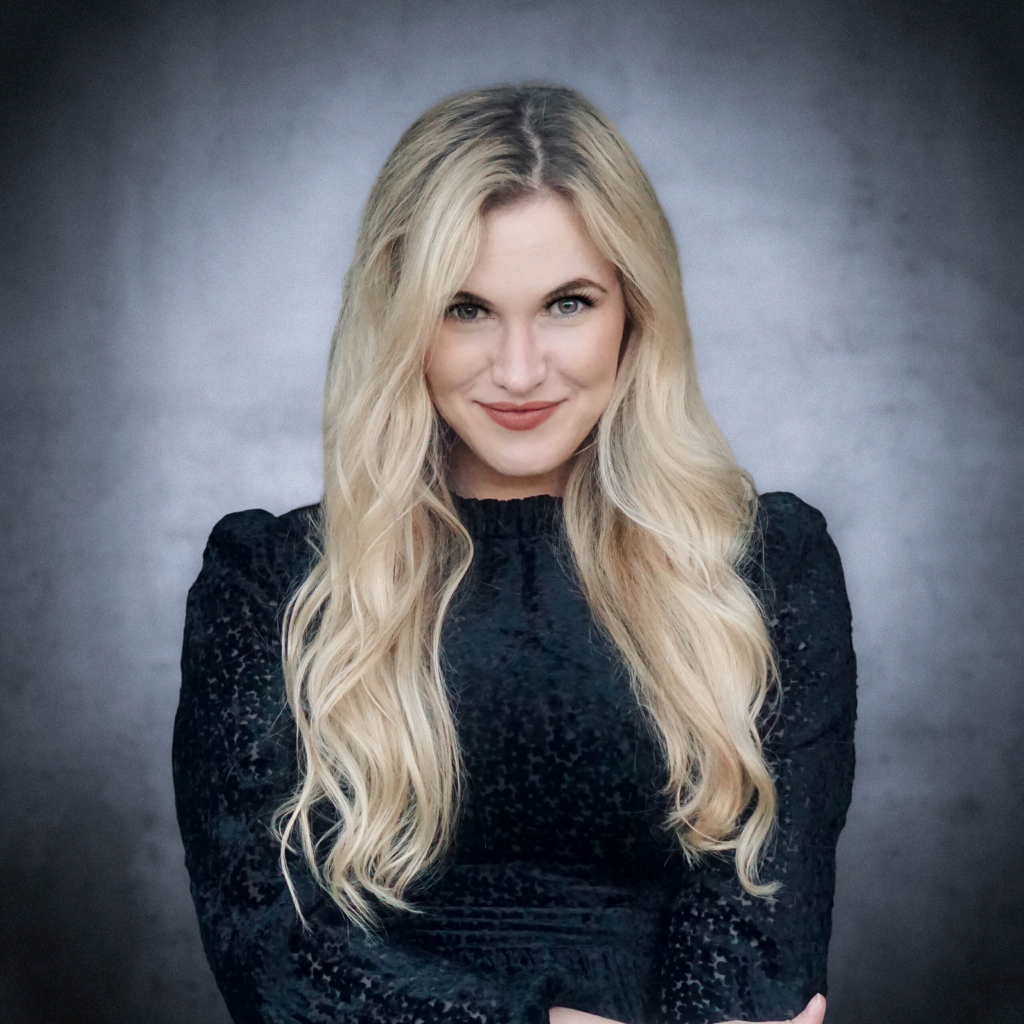
Meet McCall Jones, the genius behind Charisma Hacking and our extraordinary guest on this week’s Thinking Big Podcast. McCall has cracked the code on how entrepreneurs can captivate their audiences and turn them into raving superfans, using proven Hollywood tactics. Think about it—what if your audience didn’t just notice you, but couldn’t stop talking about you and then, oh yeah, compulsively bought from you? That’s Charisma Hacking in action.
McCall’s journey into the world of charisma started early. At just 8 years old, she was singing her heart out to crowds of tens of thousands and shining on screen in films like Disney’s High School Musical 2. Over the years, she became obsessed with the psychology behind what makes actors and directors utterly magnetic—and started cataloging their secrets like a charisma scientist. Spoiler: she didn’t just catalog them, she turned them into actionable systems anyone can use.
Here’s the secret: Charisma Hacking isn’t about being someone you’re not. It’s about amplifying you—your quirks, your personality, your vibe. Whether you’ve got Gary Vee’s intensity, Brené Brown’s warmth, Russell Brunson’s energy, or Dave Ramsey’s no-nonsense clarity, McCall shows you how to unleash the best parts of yourself to connect authentically and build a rabid fan base.
And let’s talk results: her clients have boosted their YouTube watch times by a jaw-dropping 242%, tripled revenue, and seen Facebook ad click-through rates soar 20x. But the best part? They’ve finally found a way to connect deeply with their audience while stayi… Read More